A practical introduction
Tradition is a starting point, not a uniform
Modern Nordic cuisine describes a broad, changing field of cooking rather than one codified menu. Restaurants across Denmark, Sweden, Norway, Finland and Iceland draw on different food histories, climates and local ingredients. Chefs may share an interest in seasonality or careful sourcing, yet their choices are individual. A contemporary plate can refer to a familiar flavour, borrow a technique from elsewhere or take a distinctly modern direction.
It helps to distinguish historical food traditions from current restaurant practice. Fermentation, smoking and preservation have long practical histories in many places, especially where storing food mattered. Contemporary kitchens may revisit these methods for flavour, texture and creative possibility. Their use today does not mean that every modern technique is ancient, uniquely Nordic or common to all households.
Seasonality as a way to compose
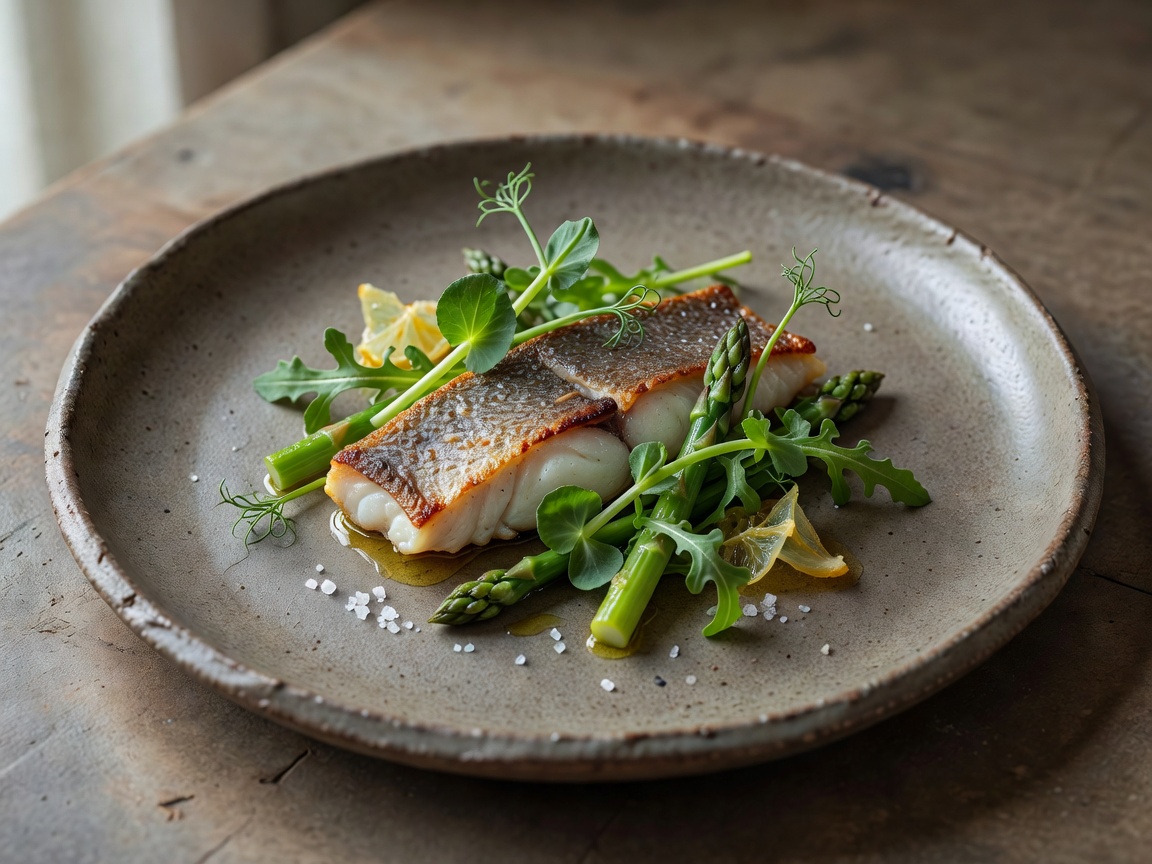
Seasonal cooking is not simply a calendar exercise. It asks what ingredients are available to a particular kitchen, how they taste at a given moment and what else is needed to make a dish feel complete. A spring menu might lean towards early greens where available; another time of year can bring roots, stored produce or preserved flavours forward. Restaurant menus and supply conditions differ, so broad seasonal descriptions should not be treated as promises of a particular ingredient.
Fermentation, pickling and preservation
Fermentation uses the activity of microorganisms to transform food, often developing acidity, savouriness or complexity. Pickling typically preserves ingredients in an acidic liquid or brine, while smoking adds aroma and can form part of a preservation process. In modern fine dining, these methods may appear in small, precise accents: a fermented vegetable alongside fish, a bright pickle cutting through richness, or a smoked element adding depth. The point is not technique for its own sake; balance and clarity matter.
Sea, soil and the forest pantry
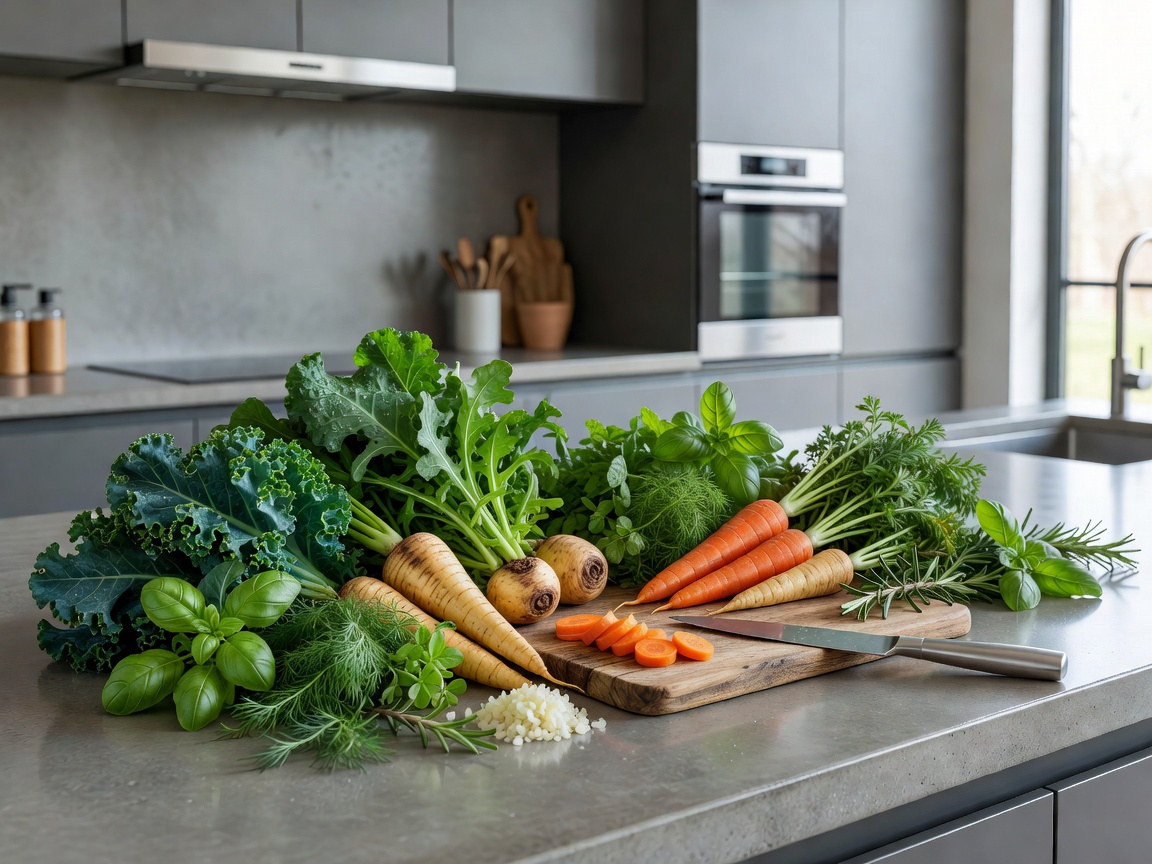
Seafood has a prominent place in many Nordic food conversations, but coastal traditions are varied and not interchangeable. Fish and shellfish can be prepared simply or used as the centre of a multi-course composition. Inland, roots, cabbage, potatoes, grains, mushrooms, berries and herbs offer different textures and flavours. Wild ingredients may carry a sense of landscape, though responsible identification, access and availability are important considerations. A menu's wording can tell diners how a restaurant frames these ingredients, but it cannot stand in for detailed sourcing information.
Rye offers a particularly useful example of how an everyday ingredient can be reinterpreted. Its robust flavour can become crisp, soft, toasted or finely milled. Dairy also appears in varied forms, from cultured notes to carefully made sauces. Modern plating may look spare, but simplicity is not automatically easy: temperature, seasoning, texture and proportion have to work together.
Contemporary presentation
In fine dining, presentation gives a dish a visual rhythm. A restrained arrangement can draw attention to colour, shape and a central ingredient; a more generous composition can feel relaxed and abundant. Neither approach is inherently more “Nordic.” Ceramic, stoneware and other table pieces can contribute tactility, while a server's explanation may help make sense of an unfamiliar ingredient or preparation. The strongest experience lets the plate look considered without making the food feel like a design exercise.
Everyday Nordic cooking is broader and less formal than restaurant tasting menus. Home meals, local food traditions and regional habits should not be judged by the standards of a luxury dining room. Contemporary restaurants are one expression of a much larger food culture, not its complete representation.
Good for
- Curious diners who like ingredient-led menus
- Learning how preservation changes flavour
- Comparing seafood, plants and grains
- Understanding the ideas behind modern tasting plates
What to know
Technique and ingredient availability vary by restaurant and season. Ask the venue directly about current menus, allergens and dietary needs.