A changing pantry
Seasonality is local, not a fixed menu
Nordic ingredients are shaped by latitude, weather, landscape and food culture. A coastal kitchen, a forest region and an agricultural area work with different possibilities. Even within one country, conditions and supply vary. In restaurants, seasonality is therefore best understood as an ongoing conversation between a kitchen and what it can source, rather than a universal calendar that guarantees a particular ingredient at a particular time.
Berries, mushrooms and the forest
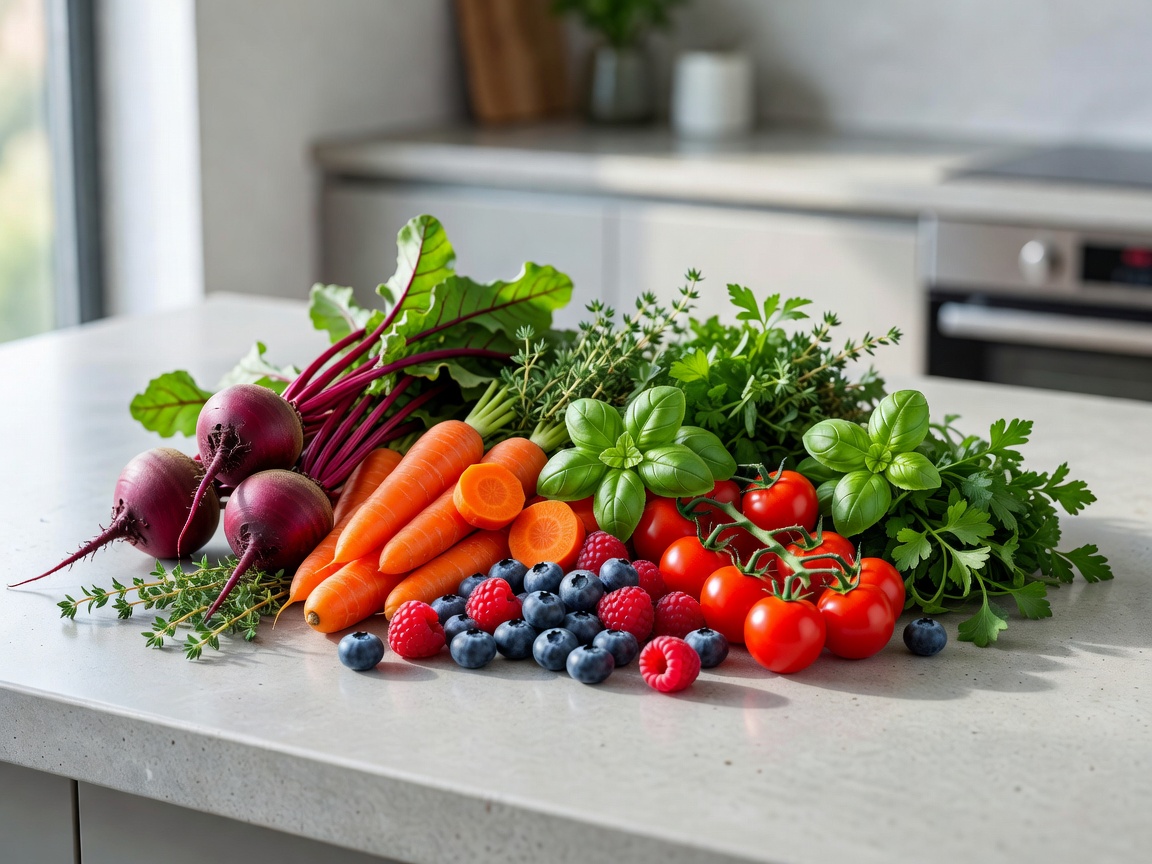
Berries bring brightness, fragrance and acidity, whether served fresh, preserved or transformed into a sauce. Mushrooms offer savoury depth and a range of textures. Wild foods can be compelling, but gathering and use require appropriate knowledge, permissions and care. Restaurant descriptions may evoke a forest landscape; that language should not be mistaken for a certification or proof of sourcing practice.
Roots, cabbage and the cultivated landscape
Root vegetables and cabbage are versatile ingredients that can be roasted, fermented, preserved or used in broths. Potatoes and other familiar staples can move from everyday cooking into a fine-dining context through attention to variety, texture and preparation. Rye carries a distinctive grain flavour and appears in breads, crisp elements and other forms. Dairy also has a place in many regional food traditions, with contemporary kitchens using cultured, fresh or aged expressions in different ways.
Coastal ingredients
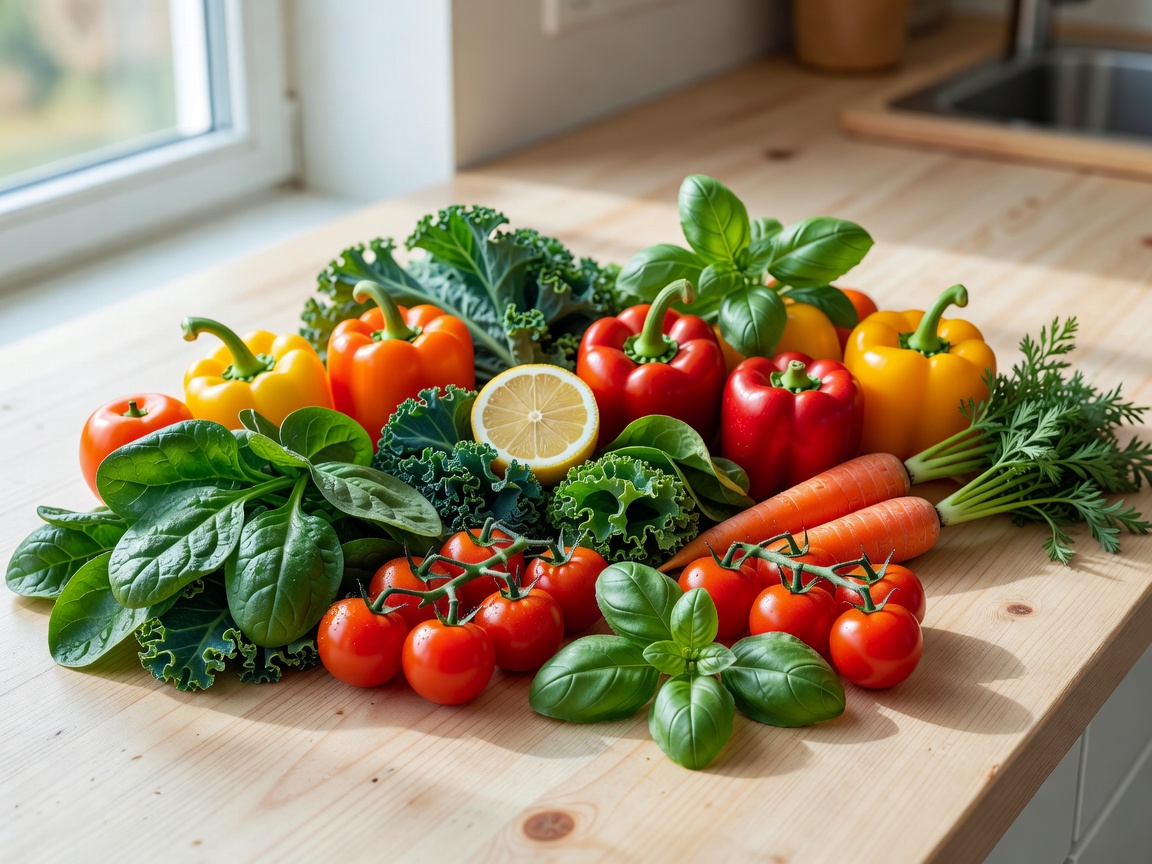
Fish and shellfish are important to many coastal food cultures across Denmark, Norway, Sweden, Finland and Iceland, though species, culinary traditions and supply differ. A restaurant may serve seafood simply, cure or smoke it, or pair it with plants and grains. Coastal proximity does not by itself establish where a product came from or how it was harvested. Diners interested in sourcing can ask restaurants for current information rather than relying on a broad regional label.
North and south, forest and field
Northern climates, southern Scandinavian growing areas, islands and inland regions each have different conditions. A longer or shorter growing season can influence what is available, while storage and preservation extend the life of ingredients beyond their fresh moment. Finland's forests and lakes, Norway's extensive coastline, Sweden's varied landscapes, Denmark's agricultural context and Iceland's island geography all offer distinct perspectives. These are starting points for understanding difference, not neat definitions of every menu.
Seasonal cooking can involve ingredients that are fresh now, preserved from an earlier period or sourced through broader distribution. A winter menu may draw on storage, fermentation, freezing or curing as well as produce grown in that season. The relationship between freshness and locality is more complex than a simple “nearby is always better” claim; availability, quality, methods and transport all matter. Avoid assuming sustainability benefits without evidence.
How ingredients become a menu
Chefs make choices about flavour, texture and balance. A sweet berry may meet a tart fermented note; a root vegetable can bring sweetness to a savoury course; herbs can lend freshness to rich fish or dairy. A tasting menu might explore several preparations of one ingredient, while a more informal restaurant may keep its cooking direct. These are creative choices, not universal rules of Nordic cuisine.
For diners, the most useful question is often simple: what is especially good or interesting right now? Menus and availability change, and exact harvest timing varies by location and conditions. Restaurants can explain their current dishes, allergens and dietary alternatives. This guide describes broad food contexts; it does not promise specific ingredients or make sourcing claims on behalf of any venue.
Good for
- Ingredient-led dining and curious eaters
- Understanding coastal and forest influences
- Exploring preservation beyond the jar
- Noticing how season shapes a menu
What to know
Availability varies with place, weather, sourcing and restaurant choices. Ask the venue about current ingredients, allergens and dietary needs.