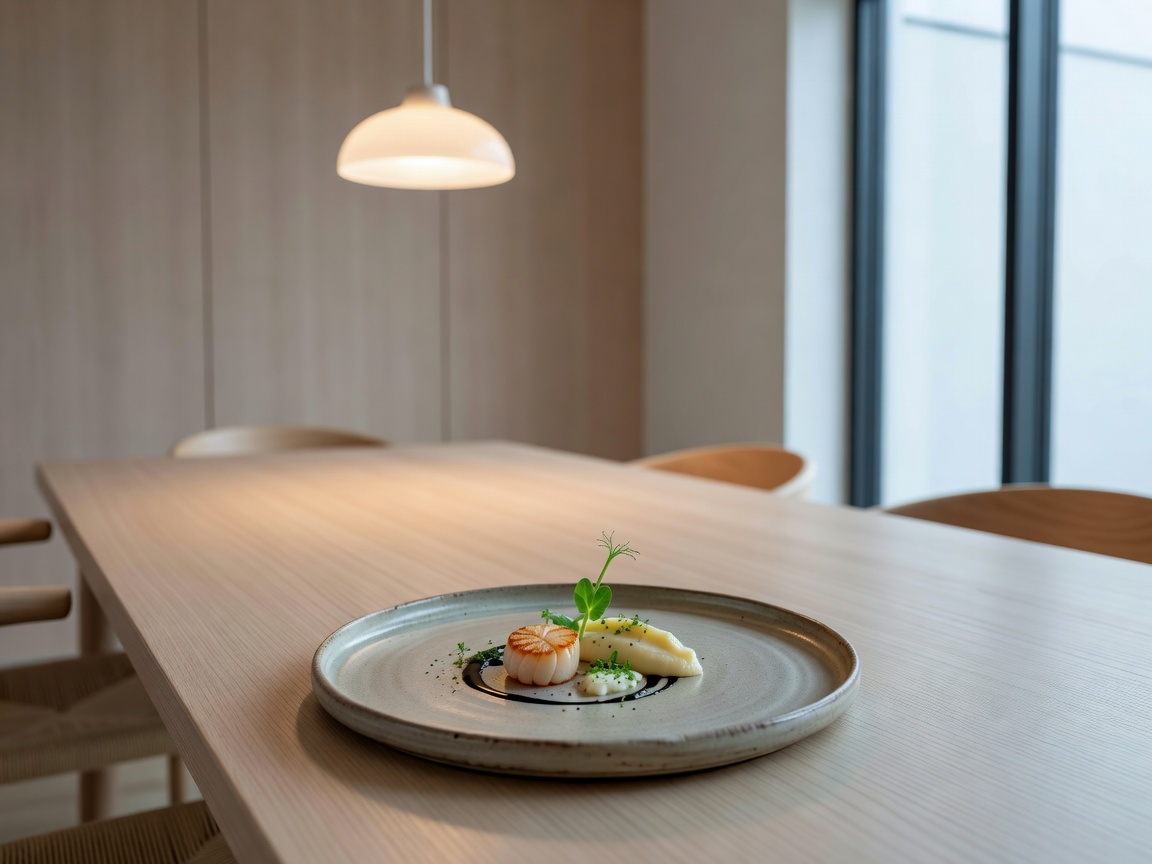
A city-by-city perspective
One region, many dining characters
Planning a meal around a Nordic city is less about following a single style and more about noticing what each place makes possible. These urban scenes sit within distinct national traditions, while also exchanging ideas through travel, design and contemporary cooking. A restaurant's approach can be shaped by its location, its team and its moment; no city should be reduced to one signature dish or one kind of room.
Copenhagen: compact, outward-looking
Copenhagen's dining culture is often discussed alongside design and a strong interest in ingredients. Its compact urban scale can make it natural to combine a meal with a neighbourhood walk, while the wider Danish context brings coastal produce, farmland and a long-established everyday food culture into view. Fine dining here may range from intimate tasting-menu rooms to contemporary restaurants with a more relaxed format. Rather than assume a fixed formula, look at the restaurant's current description and menu before planning.
Stockholm: water, islands and varied rooms
Stockholm's geography gives the city a distinctive relationship with water and islands. Dining options sit across an urban landscape that includes historic streets, waterfront settings and newer districts. Swedish food traditions offer their own references—such as berries, fish, grains and preserved flavours—while contemporary restaurants interpret those ideas in different ways. The experience may feel formal, pared back or convivial; the room and service style matter as much as the label “Nordic.”
Oslo and Bergen: a strong sense of coast
Norway's long coastline and varied terrain make regional context especially important. Oslo combines a capital-city dining scene with access to a broad national conversation about seafood, produce and seasonality. Bergen, with its harbour setting, offers another perspective on the relationship between city life and the sea. Waterfront dining can be atmospheric, but a waterside address does not by itself tell you what a restaurant serves or how it operates. Check the current details with the venue.
Helsinki: design, restraint and Finnish context
Helsinki's restaurant culture sits within Finnish food traditions and a design culture that often values material clarity and thoughtful function. A meal might foreground local fish, grains, forest ingredients or modern interpretations of familiar flavours, but there is no single template. The city's architecture and changing seasons can provide useful context for understanding a dining room and its menu without turning them into a visual cliché.
Reykjavik: an island perspective
In Reykjavik, the island setting is an important part of the conversation. Icelandic cuisine has its own history, ingredients and food practices; it should not simply be folded into a generic Scandinavian category. Restaurants work within a particular geography and supply context, and menus may change with availability. Visitors can use the city as a starting point for learning about Icelandic food while staying curious about the specific story each restaurant chooses to tell.
Aarhus, Gothenburg, Malmö and other cities also reward attention. Smaller scale can bring a different pace, and regional ingredients may be interpreted through local histories rather than capital-city expectations. Across the region, tasting menus are one visible fine-dining format, but à la carte meals, chef's counters and less formal experiences have a place too.
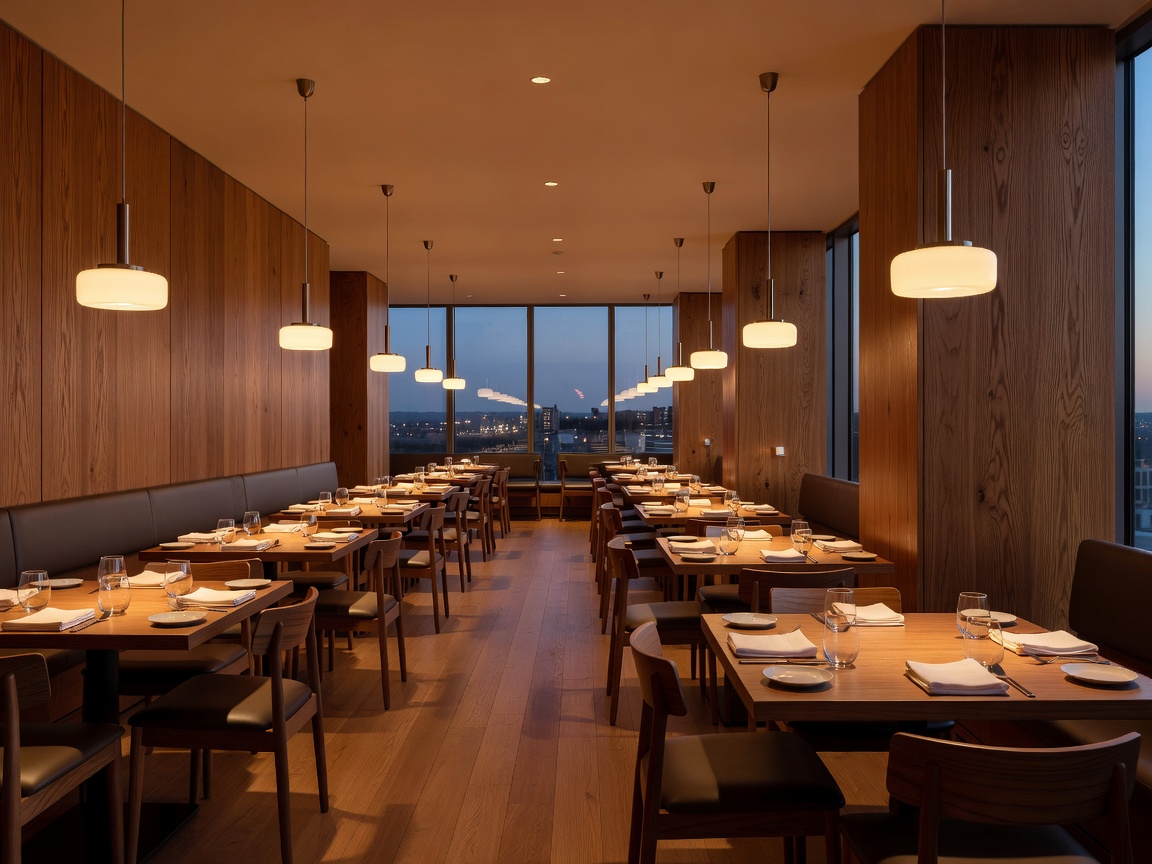
Choose a city by the kind of evening you want
For a special occasion, begin with the atmosphere and format that suit your group. Culinary-focused travellers may enjoy comparing how different cities interpret seafood, vegetables or preservation. Design-conscious diners might look for restaurants whose materials and service feel connected to their surroundings. In every case, allow room for ordinary pleasures too: a thoughtful meal need not be a long tasting menu.
Useful planning starts with direct, current information. Menus change; prices and opening hours change; reservation policies change; and restaurant concepts evolve. Check official restaurant channels for accessibility, dietary communication, timing and booking terms. This guide is independent and does not rank venues or guarantee any particular experience.
Good for
- Special occasions and celebratory meals
- Culinary-focused city breaks
- Tasting menus and design-conscious diners
- Comparing distinct local food cultures
What to know
Details can change quickly. Confirm current menus, prices, hours, booking arrangements and dietary options directly with each restaurant before you go.