Before you take your seat
Make the format work for you
A modern Nordic fine-dining evening can take many forms. Some restaurants build a long tasting menu around a seasonal idea; others offer a shorter set menu, à la carte choices or a counter close to the kitchen. The words on a website are a useful starting point, but they do not guarantee a particular length, atmosphere or style of service. Read the current restaurant information and contact the venue when you need clarity.
Tasting menus and pacing
A tasting menu presents a sequence of smaller courses, often designed to build in flavour and intensity. The progression may move between seafood, vegetables, grains, dairy or other ingredients, with pauses for explanation and service. Courses may arrive at a measured pace, but timing varies by restaurant, evening and group. If you have a show, train or other fixed commitment, mention it before booking and ask whether the planned format can accommodate your schedule.
There is no single correct way to enjoy a multi-course meal. Take time to notice temperature, texture and contrast; ask a question if an ingredient or technique is unfamiliar. A concise explanation can add context, while the plate should remain enjoyable without a lecture. Let the team know if you would prefer minimal descriptions or more detail.
Counter seating and open kitchens
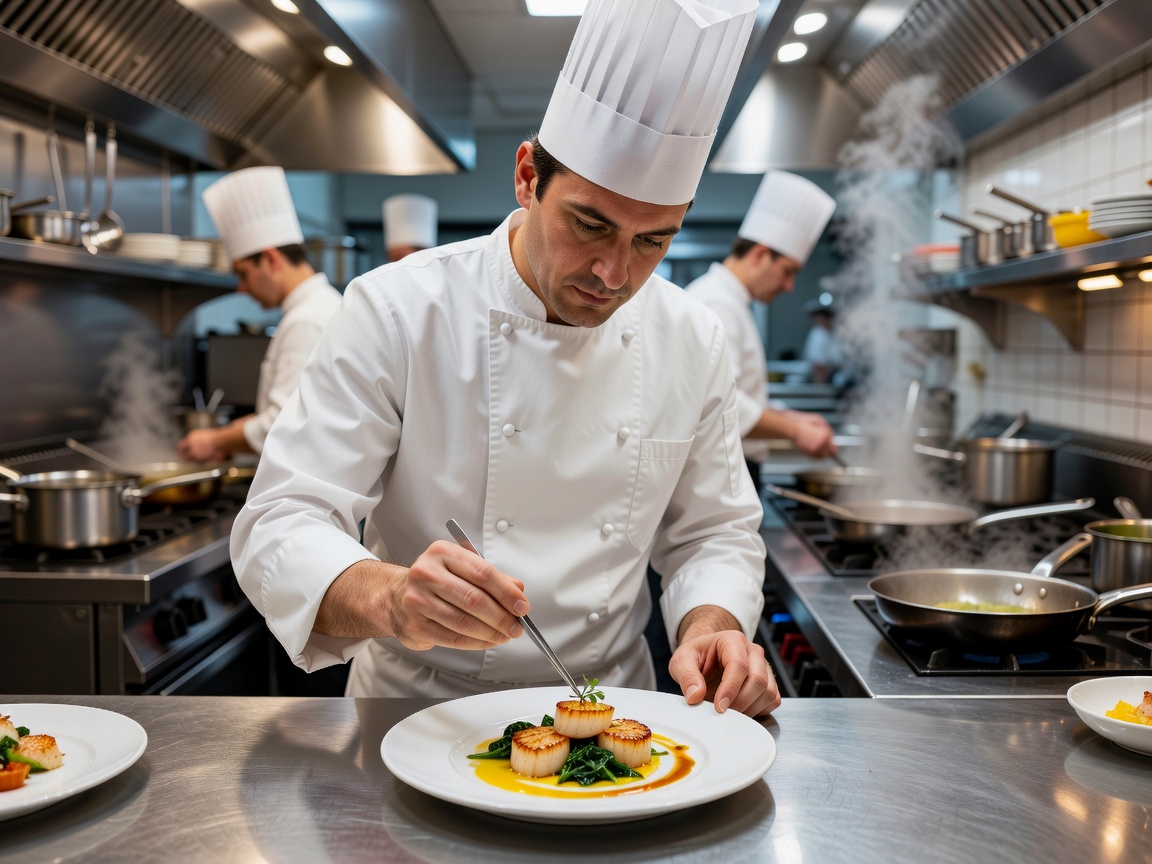
A chef's counter may offer a close view of preparation and finishing. It suits guests who enjoy watching focused kitchen work and can make a meal feel more immediate. An open kitchen also has sounds, movement and warmth, and the interaction level differs from one venue to another. A standard table may be a better fit for private conversation or a quieter evening. Check seating details rather than assuming every counter is identical.
Beverage pairings and thoughtful alternatives
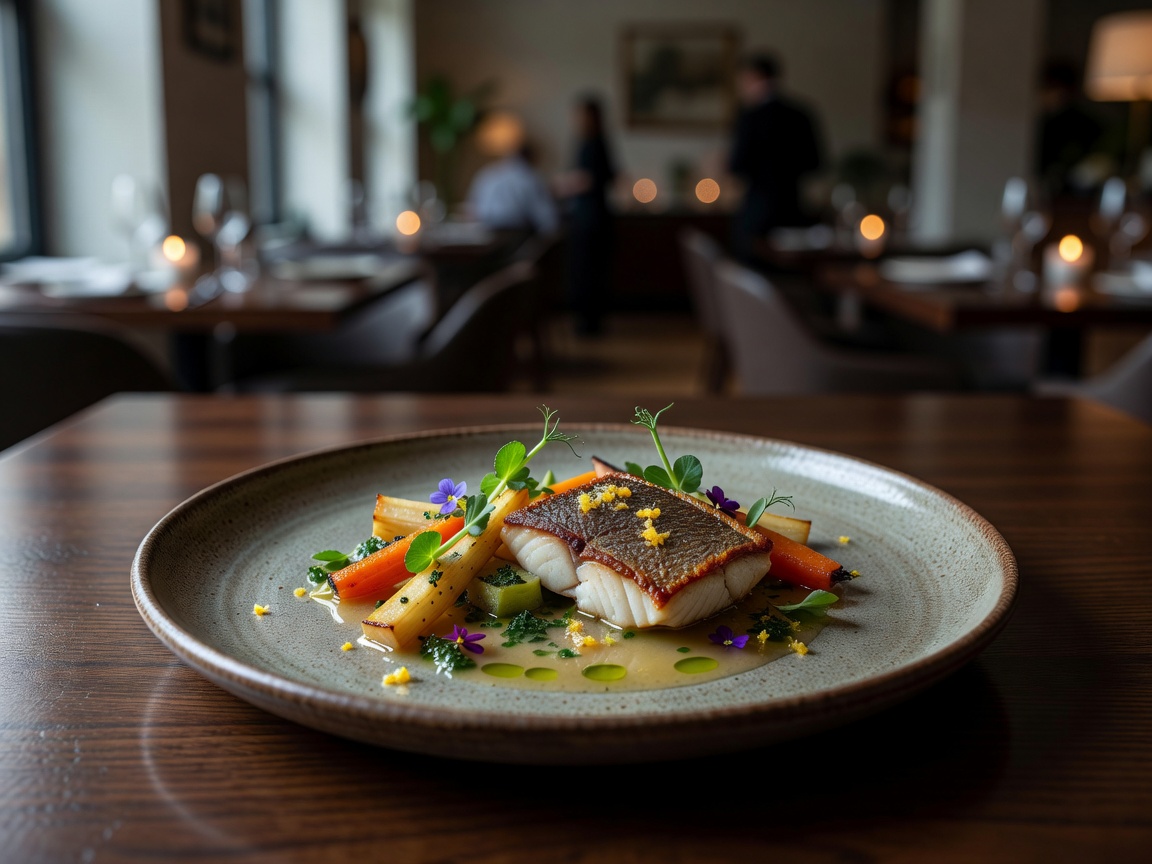
Some restaurants offer beverage pairings designed to complement the menu. These can include alcoholic choices, non-alcoholic drinks or a combination, depending on the venue. Ask what the current options include, how many pours are involved and whether there are alternatives if you do not drink alcohol. Pairings are optional unless a restaurant's current terms say otherwise. This guide does not make claims about the contents or cost of any particular pairing.
Service, etiquette and comfort
Fine dining need not feel intimidating. Arriving close to the agreed time, communicating clearly and treating staff with courtesy go a long way. Dress expectations, late-arrival policies and cancellation conditions differ, so check them directly. If a course contains an ingredient you cannot eat, explain the reason when arranging the meal—not only after service begins. Allergies and medical dietary requirements deserve clear, early communication, but a restaurant may not be able to accommodate every request.
Service style can be formal, relaxed, quietly attentive or highly conversational. A team may introduce ingredients, answer questions and manage a steady flow without making the occasion feel scripted. Restaurant atmosphere is part of the experience, too: room acoustics, lighting, table spacing and the energy of other guests all contribute to how the evening feels.
Planning with care
Before booking, consider the group's preferences, accessibility needs, travel time and the likely length of the meal. Review current menus and contact the venue about dietary communication, seating, children, mobility access or other practical questions. Reservation policies, opening hours, menus and prices can change. Check the source restaurant directly, and keep confirmation details to hand. Do not assume that availability shown elsewhere is current.
The best measure of a dining experience is not how many courses it includes. It is whether the food, hospitality, setting and pace suit the people at the table. A thoughtful meal can be ambitious without feeling complicated, and a relaxed meal can be every bit as carefully made.
Good for
- First-time tasting-menu diners
- Celebrations and shared occasions
- Guests curious about kitchen craft
- Planning dietary needs in advance
What to know
Menu length, pace, service and booking terms vary. Confirm details with the restaurant; no availability or policy is guaranteed here.